Home · Services · Emergency HVAC Service
Emergency HVAC Service in Seminole, FL
Quick answer
Losing cooling in Seminole during a humid summer stretch is more than discomfort, especially in ranch homes that heat up quickly by afternoon. Urgent calls sort safety and electrical faults first, then airflow or refrigerant causes, so the household knows whether tonight's fix is a part or a longer job.
Emergency HVAC Service in Seminole starts with the local read: ranch homes from the sixties and seventies across the middle neighborhoods, waterfront and bayou side homes on the west edges, condo and villa communities toward the beaches, and newer subdivisions on the north side. The Long Bayou side of the service area and the city's hot humid summers, mild winters, and afternoon storm rain in the wet season set the order of work, and the scope names that order in writing before anyone commits to a price.
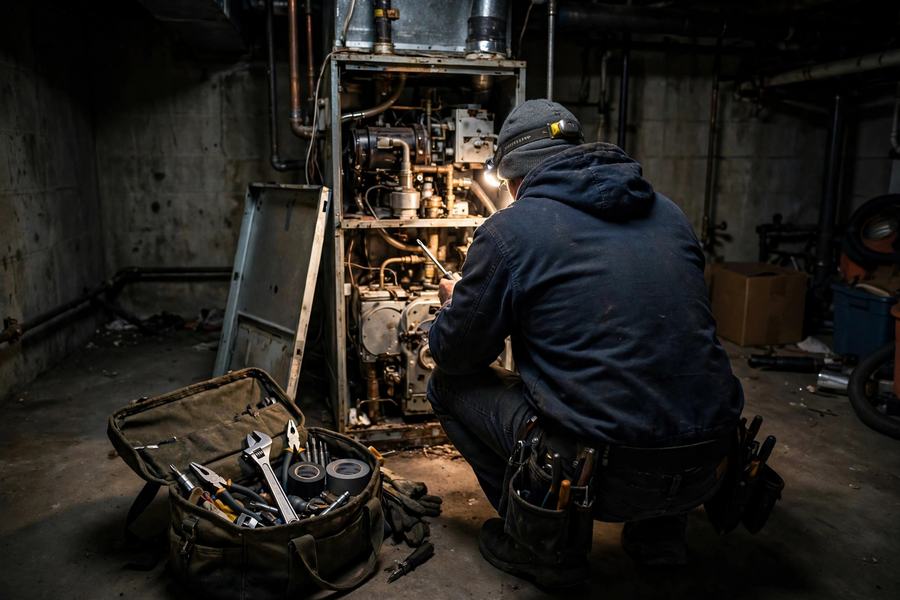
How we approach this job
Emergency response first: For emergency hvac service in Seminole, the buying situation is urgency: stop the damage from growing, make the property safe, and document conditions before anything is disturbed.
Signs you need emergency hvac service
- No heat with overnight lows in the teens or single digits. It usually means the home is becoming unsafe for who is in it, which is the triage standard.
- No cooling during a heat wave with vulnerable people in the home. It usually means the freeze clock or the heat clock is already running on the house itself.
- Water pouring from an air handler or a condensate overflow. It usually means temporary heating or cooling to one room may be the right first job.
- A breaker that trips again every time the system starts. It usually means the system is drawing fault current: a shorted component or a dying compressor protecting itself through the breaker.
What the job involves
What affects the price
- Time of day and day of week; after hours rates are stated before dispatch, not discovered on the invoice
- Component failed and whether it is a stocked truck part
- System age, which decides whether an emergency repair is sound money or a bridge to replacement
- Weather severity, which sets the triage order across the whole call board
When it is an emergency
This page is the emergency, and its first rule is the exception: gas smell or a sounding carbon monoxide alarm is not an HVAC call, it is an evacuation and a utility or 911 call. Everything else on this page (no heat in deep cold, no cooling in dangerous heat, water pouring, breakers tripping) is a call now, and saying who is in the house helps the dispatcher order the board honestly.
PLACEHOLDEREmergency HVAC Service across the Seminole area
Related services
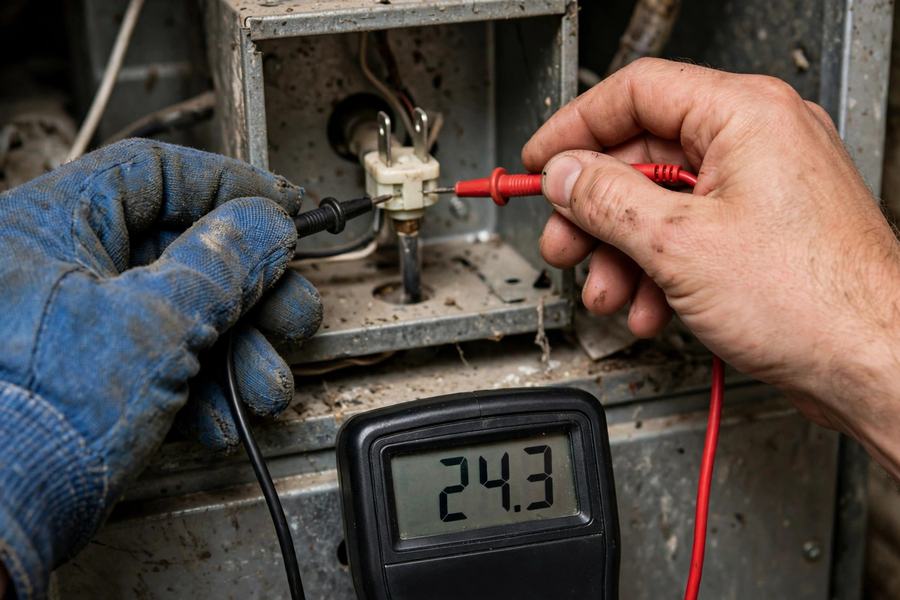
Furnace & Heating Repair
Heating demand in Pinellas County is brief, so many Seminole furnaces and heat strips sit unused until a January cold snap tests them. Igniters, sensors, and controls that aged quietly through the cooling season account for most winter no-heat findings in these homes.
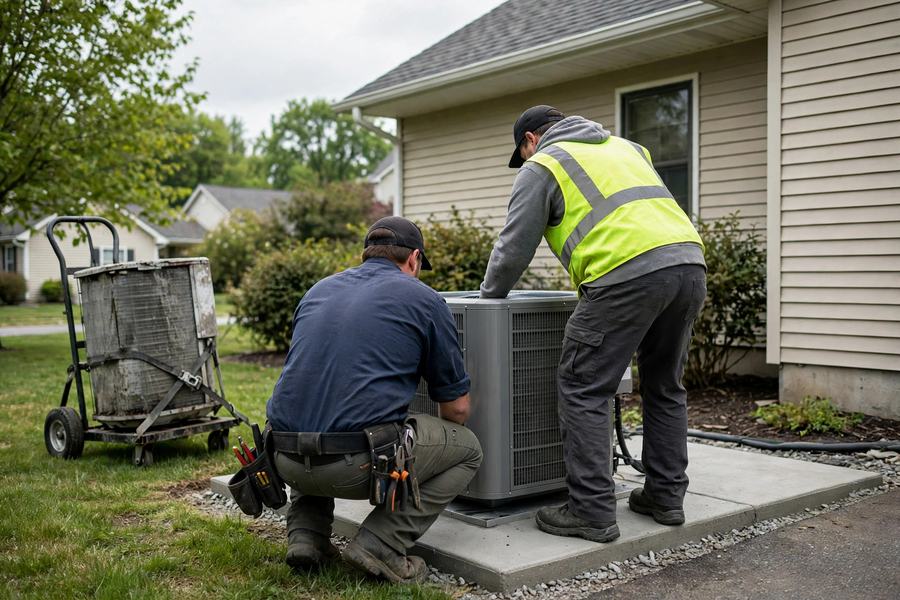
HVAC System Replacement
Replacing a system in a sixties or seventies ranch home rarely means only swapping the box outside. Original duct layouts were sized for smaller equipment, so a good replacement scope measures airflow, corrects undersized runs, and matches capacity to long, all-day summer loads.
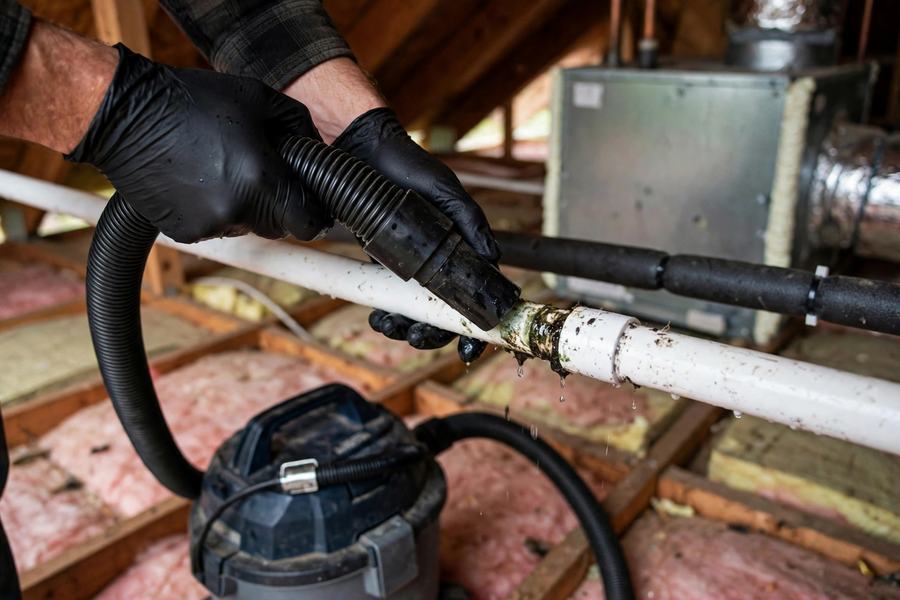
AC Repair
Seminole air conditioners work from morning into night through hot, humid months, and failures show that strain: capacitors, fan motors, and refrigerant leaks top the list. Bayou-side and beach-adjacent homes add salt air corrosion to the picture, shortening outdoor unit life on the west side of town.
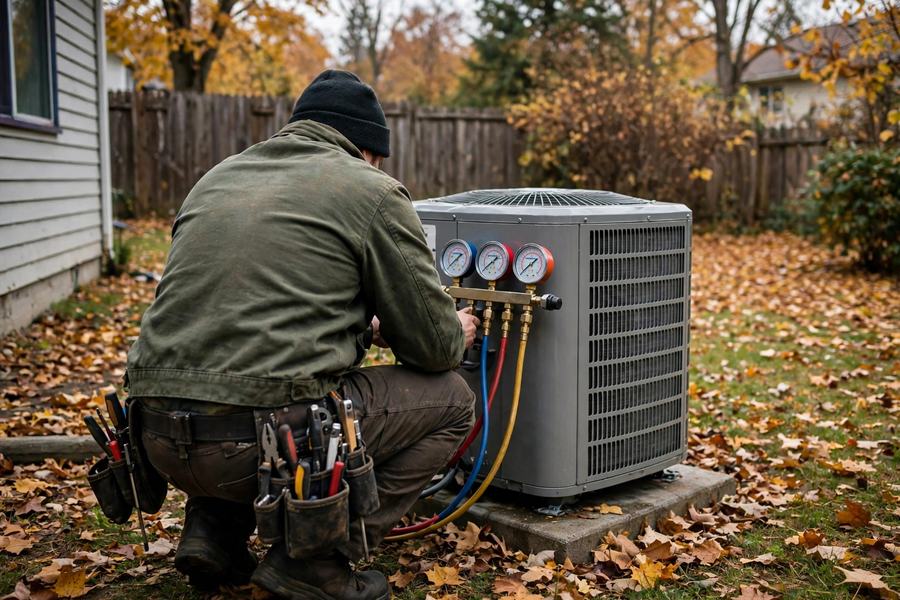
Heat Pump Repair & Installation
Heat pumps fit Seminole's mild winters well, handling most heating days efficiently while cooling through the long summer. Calls usually involve units icing unexpectedly, air that feels cool in heat mode, or auxiliary heat running far too often and lifting the electric bill.
Emergency HVAC Service questions, answered
When is emergency hvac service an emergency?
This page is the emergency, and its first rule is the exception: gas smell or a sounding carbon monoxide alarm is not an HVAC call, it is an evacuation and a utility or 911 call. Everything else on this page (no heat in deep cold, no cooling in dangerous heat, water pouring, breakers tripping) is a call now, and saying who is in the house helps the dispatcher order the board honestly.
What affects the price of emergency hvac service in Seminole?
The main price factors for emergency hvac service are covered in the cost section above. The contractor confirms the exact price in a written estimate after seeing the job, and nothing is owed until you approve it. The call and the referral are free.
My AC runs but will not cool the house. What are the usual causes in Seminole?
Technicians in Seminole find the same short list most often: a clogged filter or blocked airflow, a failed capacitor or fan component, low refrigerant from a leak, a coil frozen because of one of those issues, or ducts leaking cooled air into a hot ranch-home attic. Systems that run from breakfast to midnight without reaching the set point usually sort into that list too. Turn a frozen unit off and run the fan to thaw it, and never approve a refrigerant recharge without a leak search.
My furnace clicks but will not start. What is failing?
Heating equipment starts in sequence: the inducer proves the vent, the igniter glows or sparks, the gas valve opens, and the flame sensor proves flame. Clicking without heat means a step failed, commonly a filmed sensor, a cracked igniter, or a tired inducer motor, each a part-level repair. In Seminole many systems are heat pumps with electric backup rather than gas furnaces, so describe your equipment type on the call. If you smell gas, leave first and call the gas utility or emergency services.
Repair or replace: my system is 15 years old. How do I decide?
Use the trade's simple test: multiply the repair quote by system age in years, and past roughly 5,000 replacement usually wins. A $400 repair on a 15-year-old system gives 6,000, right at the line; an $1,800 compressor on the same system gives 27,000, well past it. Add local evidence: salt corrosion on a bayou-side condenser in Seminole, duct condition in a ranch-home attic, and whether this is the first major repair or the third. Ask for both prices in writing before deciding.
Request a callback
Prefer to talk later? Leave your details and an independent local pro will call you back. No charge to you, no obligation.
Long Bayou Air is a free referral service. Submitting this form connects you with independent local contractors who provide the work.