Home · Services · Indoor Air Quality & Filtration
Indoor Air Quality & Filtration in Seminole, FL
Quick answer
Humidity control is the central indoor air question in Seminole, where afternoon storm rain and bayou moisture keep indoor air damp for months. Filtration upgrades, proper system run time for dehumidification, and ventilation fixes address dust, odor, and allergy complaints better than standalone gadgets.
Indoor Air Quality & Filtration in Seminole starts with the local read: ranch homes from the sixties and seventies across the middle neighborhoods, waterfront and bayou side homes on the west edges, condo and villa communities toward the beaches, and newer subdivisions on the north side. The Long Bayou side of the service area and the city's hot humid summers, mild winters, and afternoon storm rain in the wet season set the order of work, and the scope names that order in writing before anyone commits to a price.
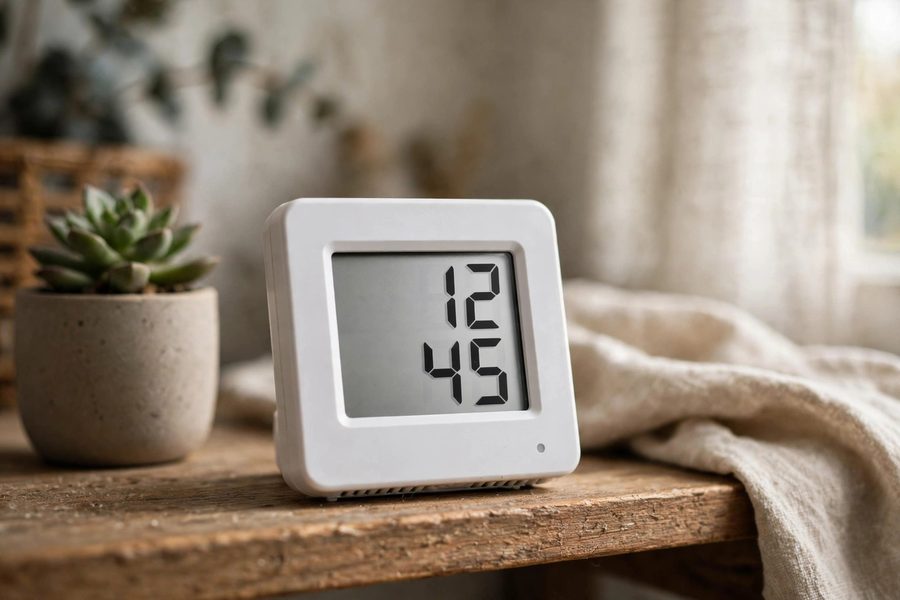
How we approach this job
Diagnosis and insurance documentation: For indoor air quality & filtration in Seminole, the buying situation is a problem with a cause: find the real source, document it with photographs and readings for any claim, and only then price the fix.
Signs you need indoor air quality & filtration
- A home that feels stuffy despite the system running. It usually means ventilation, not temperature, is the missing half; the system's air exchange is the read.
- Visible growth at vents or in the handler closet found during other work. It usually means the system has been seeding the house; air quality work starts inside the handler, not with a plug in device.
- Dust that returns to surfaces within days of cleaning. It usually means indoor humidity is sitting where growth and discomfort start.
- Allergy or asthma symptoms that ease when you leave the house. It usually means an event, smoke, inversion, or a season, is loading the home's air.
What the job involves
What affects the price
- Whether the fix is source repair, filtration, humidity equipment, or a combination
- Duct and return condition, which caps what filtration can achieve
- System compatibility measured in static pressure, not assumed
- Whole house equipment versus portable units for a single room
When it is an emergency
Air quality work is planned, with one urgent cousin: growth in the system serving someone with serious respiratory vulnerability deserves a fast assessment. The standing warning for this page: any air quality quote that arrives before any measurement in your house is a product looking for a problem, and you should ask what was measured.
PLACEHOLDERIndoor Air Quality & Filtration across the Seminole area
Related services
Emergency HVAC Service
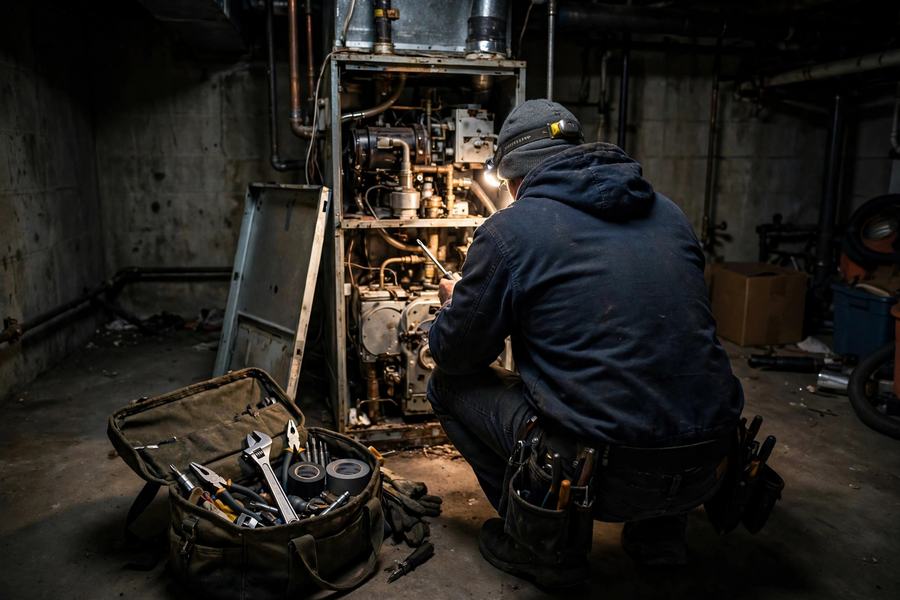
Losing cooling in Seminole during a humid summer stretch is more than discomfort, especially in ranch homes that heat up quickly by afternoon. Urgent calls sort safety and electrical faults first, then airflow or refrigerant causes, so the household knows whether tonight's fix is a part or a longer job.
Furnace & Heating Repair
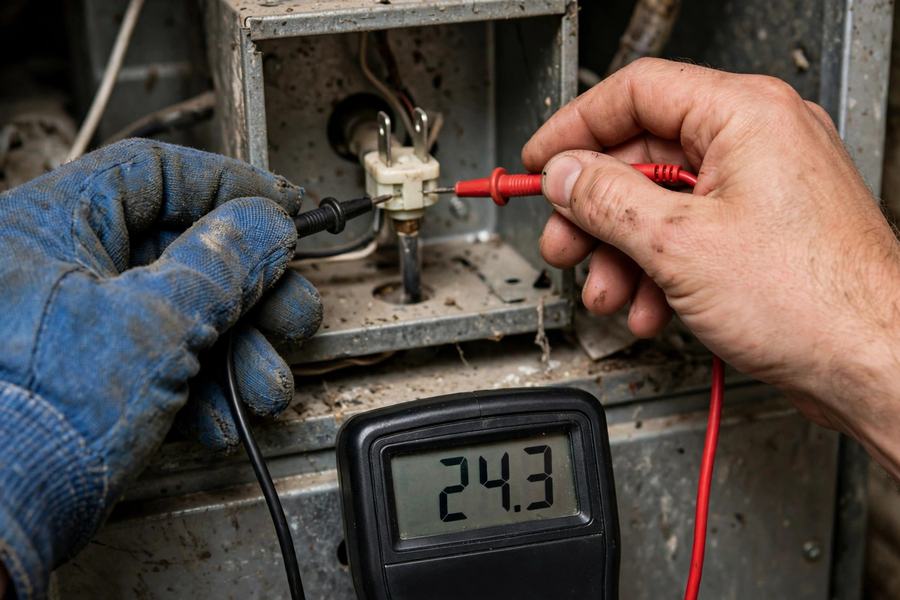
Heating demand in Pinellas County is brief, so many Seminole furnaces and heat strips sit unused until a January cold snap tests them. Igniters, sensors, and controls that aged quietly through the cooling season account for most winter no-heat findings in these homes.
HVAC System Replacement
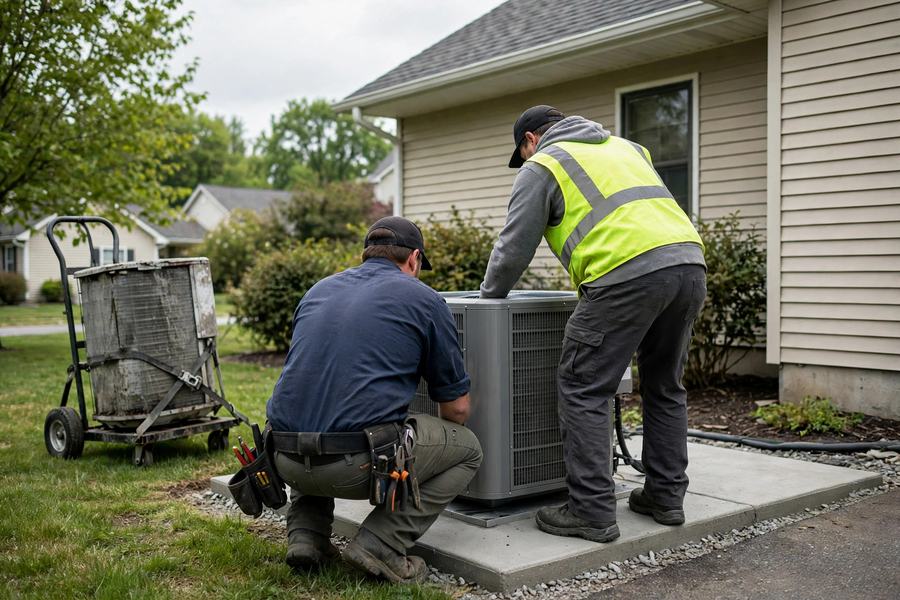
Replacing a system in a sixties or seventies ranch home rarely means only swapping the box outside. Original duct layouts were sized for smaller equipment, so a good replacement scope measures airflow, corrects undersized runs, and matches capacity to long, all-day summer loads.
AC Repair
Seminole air conditioners work from morning into night through hot, humid months, and failures show that strain: capacitors, fan motors, and refrigerant leaks top the list. Bayou-side and beach-adjacent homes add salt air corrosion to the picture, shortening outdoor unit life on the west side of town.
Indoor Air Quality & Filtration questions, answered
When is indoor air quality & filtration an emergency?
Air quality work is planned, with one urgent cousin: growth in the system serving someone with serious respiratory vulnerability deserves a fast assessment. The standing warning for this page: any air quality quote that arrives before any measurement in your house is a product looking for a problem, and you should ask what was measured.
What affects the price of indoor air quality & filtration in Seminole?
The main price factors for indoor air quality & filtration are covered in the cost section above. The contractor confirms the exact price in a written estimate after seeing the job, and nothing is owed until you approve it. The call and the referral are free.
Repair or replace: my system is 15 years old. How do I decide?
Use the trade's simple test: multiply the repair quote by system age in years, and past roughly 5,000 replacement usually wins. A $400 repair on a 15-year-old system gives 6,000, right at the line; an $1,800 compressor on the same system gives 27,000, well past it. Add local evidence: salt corrosion on a bayou-side condenser in Seminole, duct condition in a ranch-home attic, and whether this is the first major repair or the third. Ask for both prices in writing before deciding.
How much does a new HVAC system cost in Seminole?
Published national guides put full system replacement commonly between $5,000 and $12,500 or more installed, depending on size, efficiency tier, fuel type, and ductwork. Most single-component repairs run $150 to $650, and a diagnostic visit runs $75 to $200. In Seminole, correcting undersized ranch-era ducts or replacing a corroded outdoor unit can move a quote noticeably, so look for equipment, duct corrections, and electrical changes broken out as separate lines rather than one lump sum.
There is ice on my AC line and the coil looks frozen. What now?
Turn cooling off and run the indoor fan by itself. A frozen coil is a symptom, typically of low airflow from a filter, blower, or blocked vents, or of low refrigerant from a leak, and running the system frozen endangers the compressor. Let it thaw completely, which takes hours, before any testing, because readings on a frozen coil are unreliable. Do not chip the ice away. Freezing again after a filter change means the cause is refrigerant-side or blower-side and needs diagnosis.
Request a callback
Prefer to talk later? Leave your details and an independent local pro will call you back. No charge to you, no obligation.
Long Bayou Air is a free referral service. Submitting this form connects you with independent local contractors who provide the work.